Rotax 582 “Blue Head” RAVE Engine – Built by Rotax Rick: Liquid-Cooled 65HP Engine
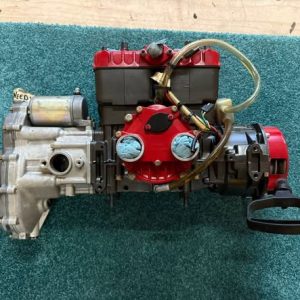
The Rotax 582 “Blue Head” RAVE Engine – Built by Rotax Rick may support an ultralight restoration, experimental-aircraft project, gyrocopter application, powered-parachute build, or replacement-engine requirement.
The Rotax 582 Blue Head can provide strong project potential, while broad Rotax 582 Aircraft Engine terminology should not imply compatibility with every airframe or propeller system.
These related keywords help connect the listing with aircraft builders, sport pilots, engine specialists, and aviation parts buyers.
A Rotax Blue Head Engine, Liquid-Cooled Aircraft Engine, Two-Cylinder Aircraft Engine, and Lightweight Aircraft Engine may provide practical value for aircraft requiring compact power and reduced installed weight.
Whether the project requires an Experimental Aircraft Engine, Ultralight Aircraft Engine, Rotax Aviation Engine, or Light Sport Aircraft Engine, airframe-specific compatibility remains essential.
Identifying the Rotax 582 RAVE Configuration
The engine should be identified through its data plate, serial number, crankcase markings, cylinder configuration, head design, gearbox, ignition equipment, carburetors, and build documentation.
The final configuration should remain connected with the exact engine serial number.
Built by Rotax Rick
A specialist-built engine can offer valuable confidence when the assembly process and replacement parts are described transparently.
The engine should be evaluated according to its documented work rather than the reputation of the builder alone.
Maintaining Power-Valve Operation
Carbon deposits, sticking components, damaged diaphragms, incorrect assembly, or worn parts can affect system operation.
Cleaning and servicing should follow suitable technical information because incorrect handling can damage the valves or alter engine behavior.
Fuel and Lubrication Considerations
A two-stroke aircraft engine produces power through a compact operating cycle that can deliver a strong power-to-weight ratio for suitable light-aircraft applications.
Fuel and oil procedures should remain clearly documented for every operator.
Aircraft Engine Temperature Management
Leaks, corrosion, hardened hoses, loose clamps, damaged radiators, and trapped air can reduce system effectiveness.
Preventive cooling maintenance protects the Liquid-Cooled Aircraft Engine from avoidable thermal stress.
Evaluating Internal Engine Components
A clean exterior does not reveal the condition of internal rotating and reciprocating components.
Differences between cylinders can indicate ring, piston, cylinder, seal, or measurement concerns that require further evaluation.
Carburetor Synchronization and Mixture
Both carburetors should open and close together while maintaining appropriate cable security and throttle travel.
The engine should not be run under load until the complete fuel system has been evaluated.
Aircraft Engine Ignition Testing
Damaged insulation, corroded connections, unsuitable plugs, weak grounds, or failing components can cause misfiring and poor engine operation.
Spark-plug appearance can provide useful information about combustion, mixture, oil, and cylinder condition when interpreted correctly.
Understanding the Rotax 582 Gearbox
Complete engine, gearbox, and propeller evaluation supports a more suitable installation.
The gearbox should be inspected for unusual noise, backlash, leakage, bearing concerns, damaged mounting areas, corrosion, and previous repair.
Maintaining Exhaust Connections and Supports
Expansion-chamber geometry, mounting, joints, springs, supports, seals, silencers, and clearances can influence engine behavior and installation reliability.
Exhaust parts should remain clear of fuel lines, coolant hoses, wiring, controls, and heat-sensitive components.
Managing Aircraft Weight and Balance
The Rotax 582 is frequently considered where compact dimensions and useful power are important to the aircraft design.
A lighter engine is not automatically suitable if the aircraft requires ballast, structural modification, or a different propeller arrangement.
Power for Kit-Built and Recreational Aircraft
Successful use in one aircraft type does not establish compatibility with another airframe.
The engine should remain accessible for inspection, carburetor service, spark-plug replacement, coolant checks, and gearbox maintenance.
Operational and Aircraft Eligibility Review
Accurate product descriptions help prevent unsupported regulatory or compatibility claims.
The installation should address fuel, cooling, ignition, exhaust, gearbox, propeller, instruments, controls, and emergency procedures.
Tracking Maintenance and Component Life
A low-hour statement should be supported by logs, invoices, tachometer records, builder documents, or other credible evidence.
Organized history supports a more informed Rotax 582 Blue Head purchase.
Evaluating a Built Aircraft Engine
A controlled engine run can provide useful information about starting, idle quality, throttle response, cooling, ignition operation, fuel delivery, vibration, leakage, and unusual noise.
The engine should not be operated without a suitable propeller, dynamometer, or approved load arrangement when loading is required.
Compression, Leak, and Internal Condition Checks
Testing conditions and methods should be documented so results can be understood accurately.
The crankshaft, bearings, seals, connecting rods, pistons, rings, and cylinders are Lightweight Aircraft Engine central to engine reliability and should receive appropriate attention during a documented build.
Rotax 582 Pre-Purchase Checklist
A pre-purchase review should confirm the exact model, serial number, RAVE configuration, builder documentation, engine hours, gearbox, carburetors, ignition, cooling components, exhaust, run-test results, and included accessories.
- Request detailed photographs of all identification markings, cylinder heads, crankcase, carburetors, ignition components, gearbox, exhaust ports, coolant fittings, starter, and included accessories.
- Do not treat clean paint, blue cylinder heads, low claimed hours, or the builder’s name as proof of complete serviceability.
- Inspect and photograph the engine immediately after delivery before rotating, testing, disassembling, repairing, mounting, or connecting fuel and electrical systems.
Preventing Storage Damage
The engine should not shift, tip, or contact the crate during transportation.
During storage, the engine should remain dry, clean, supported, preserved, and protected from moisture, dust, insects, corrosion, chemicals, and uncontrolled handling.
Completing a Rotax Aviation Engine Project
Improvised mounting or unsupported accessories can create structural, vibration, leakage, and control concerns.
The cooling system should be routed and secured to prevent chafing, trapped air, leaks, heat exposure, and contact with moving parts.
Required aircraft records and operating limitations should be updated appropriately.
Protecting the RAVE Aviation Engine
Small leaks, loose hardware, cracked hoses, deteriorated mounts, abnormal deposits, and unusual noise should be addressed promptly.
Operating data such as temperatures, engine speed, fuel consumption, plug condition, and ignition-check behavior can help identify developing concerns.
Choosing a Lightweight Aviation Powerplant
Engines with detailed build sheets, photographs, invoices, run videos, and transparent history are easier for serious buyers to evaluate.
The lowest purchase price may not represent the lowest installed cost when major accessories or records are missing.
Buying a Specialist-Built RAVE Engine
The Rotax 582 “Blue Head” RAVE Engine – Built by Rotax Rick can provide valuable replacement, restoration, experimental-aircraft, ultralight, or spare-engine potential when its identity, build scope, condition, and compatibility are verified.
Buyers should request current photographs, detailed build records, transparent condition information, protected freight arrangements, secure transaction terms, and qualified Rotax-engine review.
Whether the engine is purchased for replacement, restoration, a kit-built aircraft, gyrocopter, powered parachute, recreational aircraft, or spare inventory, transparent information and responsible oversight provide the strongest foundation.
With complete evaluation and continued care, the Rotax 582 “Blue Head” RAVE Engine – Built by Rotax Rick can deliver a professional combination of lightweight construction, liquid-cooled design, two-stroke power, and recreational aviation versatility.